



When Business Email Compromise Becomes Fraud
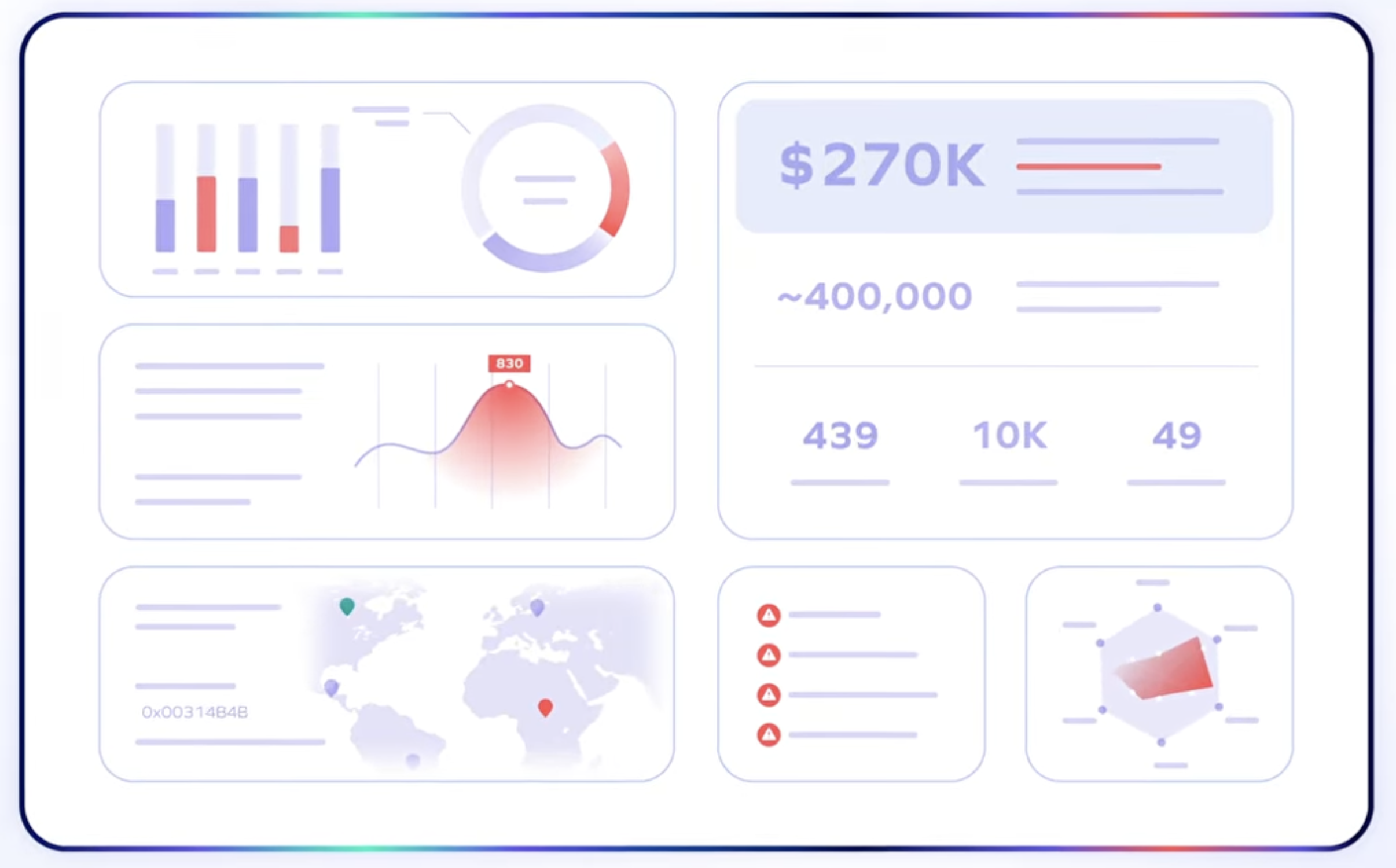
Behavioral AI that reads every payment request with financial context, so even a clean and convincing email doesn’t lead to payment fraud.









BEC Attacks Don’t Stop at the Inbox
BEC is the second costliest cybercrime, which makes it sound like one threat. It isn’t. Business email compromise is often the entry point, but payment fraud combines executive or vendor impersonation, a hijacked mailbox, fake invoices, and fabricated email threads.
These attacks continue somewhere email security can’t follow, into the vendor record, the approval queue, and the payment file. To catch these costly attacks, payment security can’t end with email.
Why BEC Attacks Bypass Email Security


What It Takes to Protect Finance's Email

Read the Money, Not Just the Message

Learn How Every Vendor Gets Paid

Connect Email With Financial Systems
How Trustmi Stops Payment Fraud from Business Email Compromise
See Beyond the Inbox

Built for Money and Messages

Alerts You Can Act On

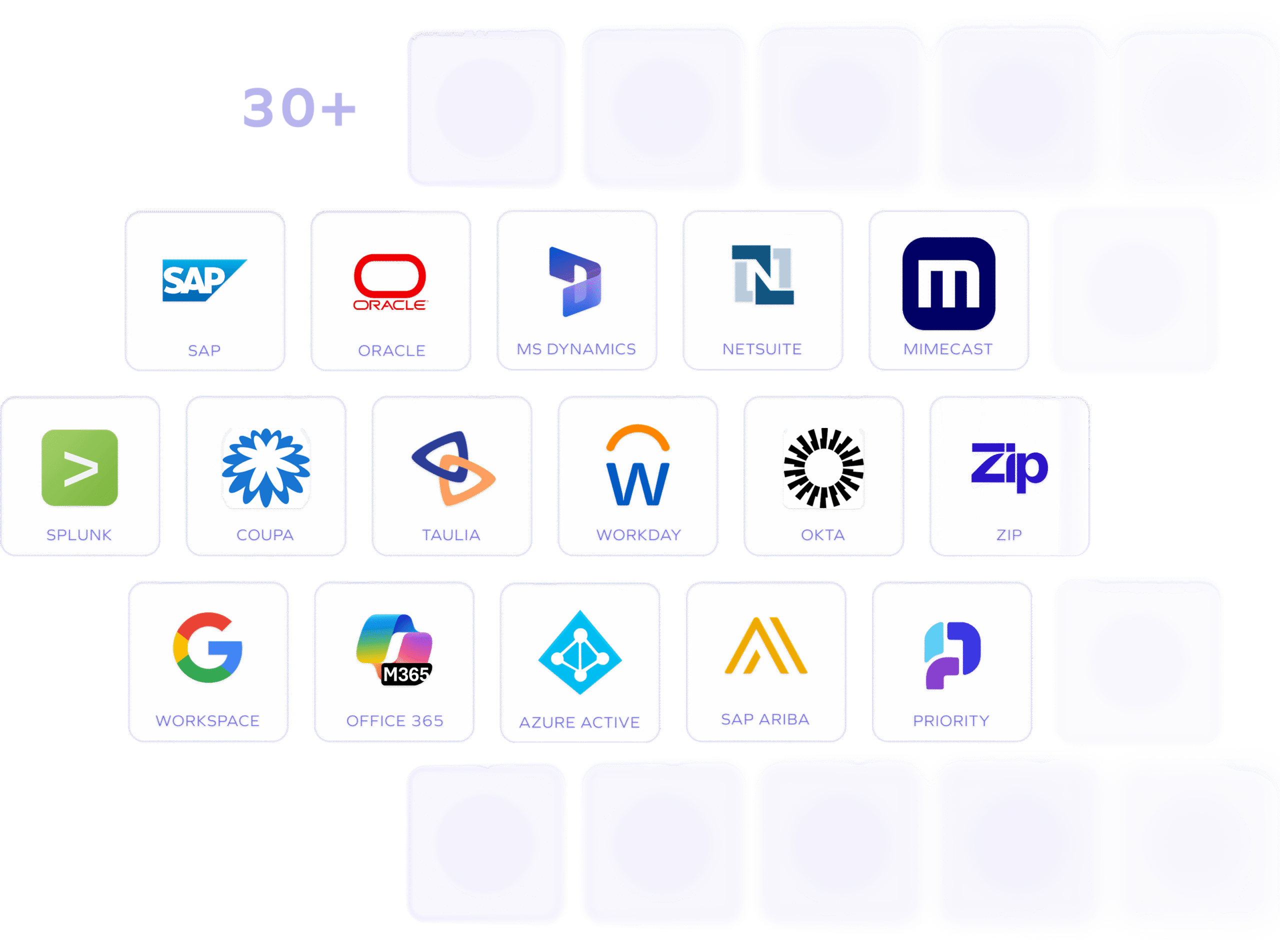
Integrations Across Email and ERP
Proven Across the Trustmi Platform
$1B+ Fraud Prevented
Prevention, not reimbursement.
$240B+ Protected
Trusted at enterprise volume.
90% Less Manual Review
Fewer alerts, faster approvals.
"In spite of training, email security controls, there were a couple of instances where very efficient spear phishing emails were thought to be real by the team."

Additional Resources

FAQs
Business email compromise is a type of email fraud where attackers impersonate someone your company trusts, like an executive, an employee, or a vendor, to get a payment sent or information released.
BEC relies on social engineering rather than malware. The messages rarely contain malicious links or attachments, which is why traditional email filters struggle to detect them, and why a convincing request can end in a fraudulent payment.
Phishing casts wide with automated campaigns, using fake links or malware attachments to harvest credentials. Business email compromise is targeted and socially engineered, often using a hijacked legitimate account or a convincing look-alike domain, and it aims at a transaction rather than a login. That’s why it clears filters built to catch malicious content and lands in the payment workflow instead.
Trustmi protects organizations by combining email security analysis with real-time payment workflow data and vendor behavioral analytics. By correlating communication patterns, invoice details, executive behavior, and banking records, Trustmi identifies anomalies and blocks fraudulent payment requests before money ever leaves the bank.
Behavioral AI builds a baseline from payment behavior rather than correspondence: how much each vendor bills, how often, through which approvers, and into which account. An attacker can spend weeks making an email thread look familiar, because they write the emails. They can’t make an unfamiliar account look like one you’ve been paying for years. When a request breaks that pattern, Behavioral AI flags the deviation in real time, regardless of how convincing the email reads.
Traditional email security and DMARC are essential, but they’re designed to stop phishing, spoofing, and malware—not payment fraud. BEC uses real accounts and clean domains that look legitimate. These tools cannot assess intent or payment context. Trustmi detects the resulting payment fraud before money is sent.
Traditional cybersecurity protects networks, endpoints, and data, but it stops short of understanding financial intent. Email security still plays an important role in blocking malicious links and attachments, and it should remain in place. Trustmi wraps around these tools to catch what they miss, connecting communication context with payment behavior. By taking a holistic, post-delivery approach, Trustmi stops the fraudulent transfers that occur after a convincing BEC message is delivered.
Even when an attacker gains access to a legitimate executive or vendor email account, Trustmi evaluates the context of the payment request itself. By cross-referencing email content with underlying ERP data, historical vendor banking records, and payment patterns, Trustmi catches account takeover attempts that email-only tools miss.
Trusted by Finance and Security Leaders




“Trustmi provided transparency into our payment process to see where cyberattacks and errors were happening and full protection without changing our workflow."

“Like many businesses today, we’ve experienced cyber attacks on our payment process, but we didn’t realize the extent to which we were at risk until we evaluated Trustmi. Now we’re confident we’ll be able to avoid future attacks with their platform.”

“Trustmi’s platform is an important tool for our team. Their Payment Flows module increases our payment cycle security, and our team has also managed to cut down the time for preparing payments reports from half a day to half an hour.”

“Trustmi provided transparency into our payment process to see where cyberattacks and errors were happening and full protection without changing our workflow."
“Like many businesses today, we’ve experienced cyber attacks on our payment process, but we didn’t realize the extent to which we were at risk until we evaluated Trustmi. Now we’re confident we’ll be able to avoid future attacks with their platform.”
“Trustmi’s platform is an important tool for our team. Their Payment Flows module increases our payment cycle security, and our team has also managed to cut down the time for preparing payments reports from half a day to half an hour.”
$240 Billion Secured
Protecting businesses globally against socially engineered fraud and errors.
Up to 2.5% of Budget Saved
By Eliminating Fraud and Payment Errors
From Hours to Seconds
Manual Process Time Reduced
 Behavioral AI-powered security
  Protection on day one
  10-15x ROI