




When Account Takeover Becomes a Stolen Payment
Behavioral AI built to stop account takeover attacks targeting email, ERP, and other accounts from turning into costly B2B payment fraud.








ATO Has Moved Beyond Suspicious Logins
With financial losses in the billions each year, account takeover fraud is becoming faster, more convincing, and harder to detect. AI-driven phishing, stolen credentials, and social engineering now allow attackers to access legitimate business accounts using real credentials and normal workflows.
That creates a major blind spot for organizations. At the same time, many of the systems finance teams work in, like ERP, vendor onboarding, and payment systems, lack the context needed to recognize fraud.
It leaves business accounts responsible for moving millions of dollars ripe for ATO attacks.
Why Watching the Login Isn't Enough




What It Takes to Protect Payments After the Login

Go Beyond Login Signals

Add a Money Lens

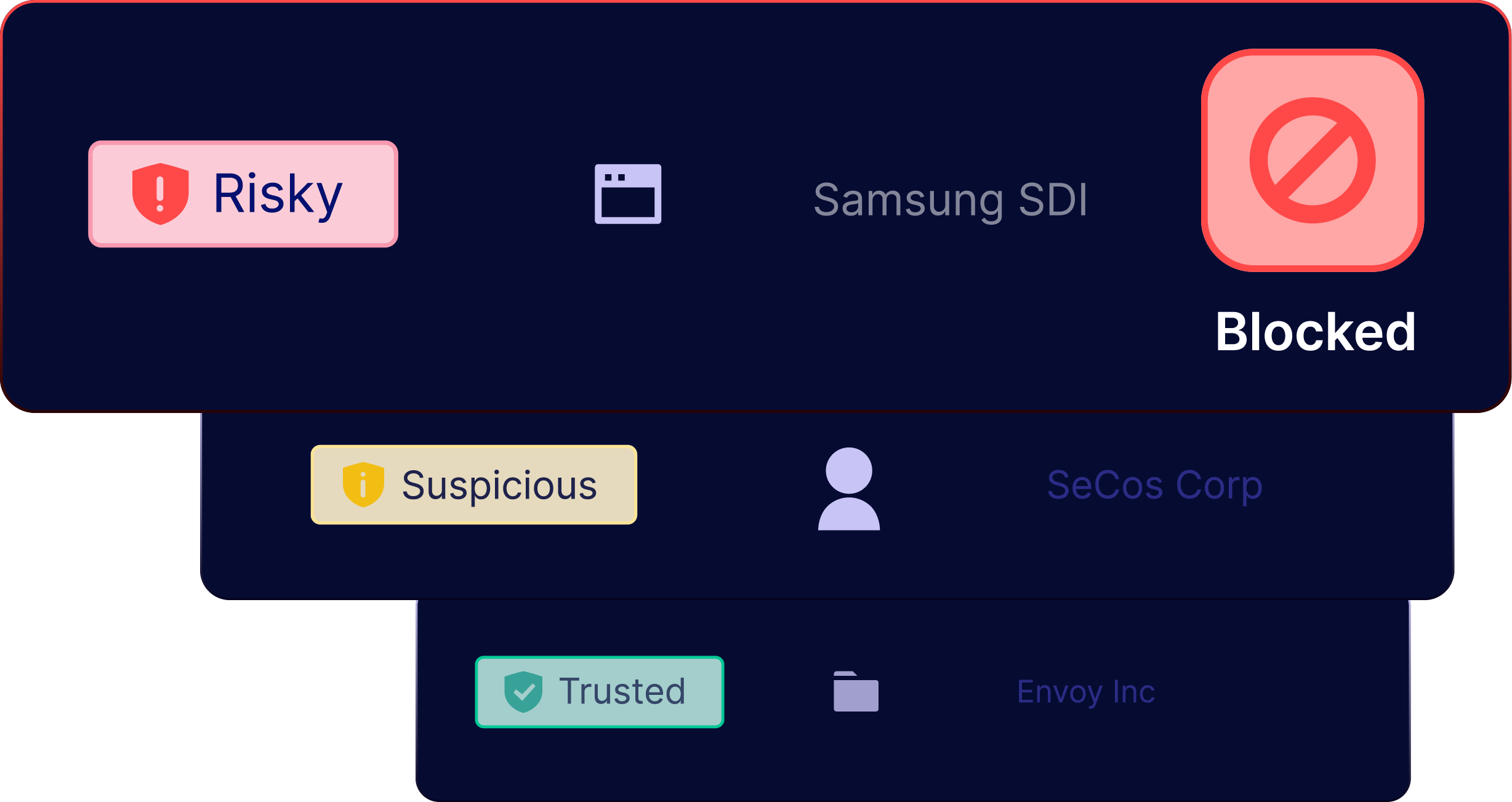
Connect Suspicious Accounts
How Trustmi Detects and Eliminates ATO Fraud Before it Strikes
Adaptive Behavioral AI

Unified Account Intelligence

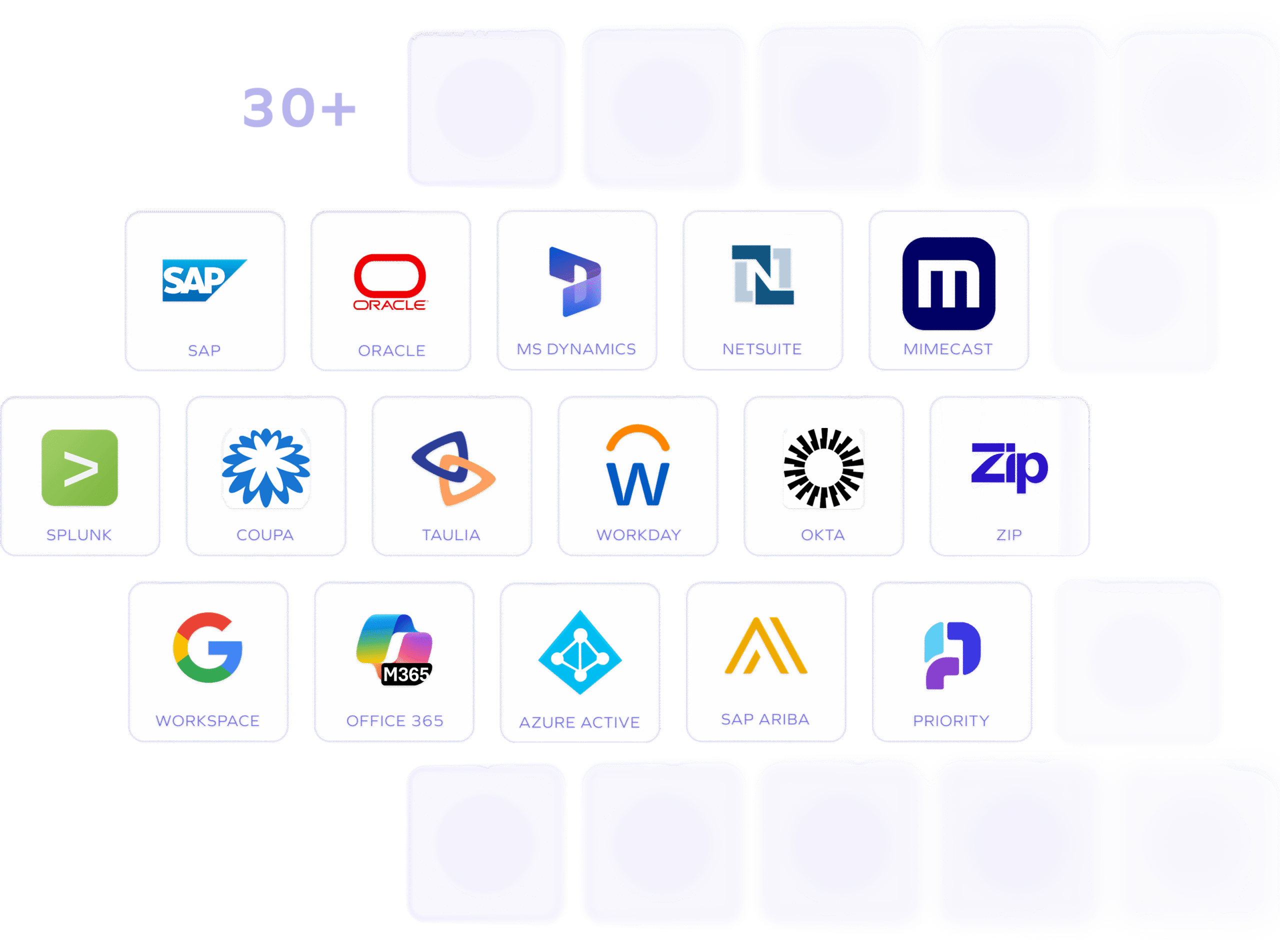
ATO Workflow Integrations
Proven Across the Trustmi Platform
$1B+ Fraud Prevented
Prevention, not reimbursement.
$240B+ Protected
Trusted at enterprise volume.
90% Less Manual Review
Fewer alerts, faster approvals.
"They were living in our accounting system and watching our behaviors—we didn't know they were there."
Additional Resources

FAQs
Account Takeover (ATO) is when a fraudster gains control of a legitimate account, usually a vendor or employee email, and operates from the inside using real credentials. Because the login is authentic and the account is trusted, the activity blends into normal business. That access can also be used to steal data or move laterally, but its most costly use is payment fraud: rerouting funds, changing banking details, and pushing fraudulent payment instructions through workflows that already trust the account.
Traditional ATO tools miss payment fraud because they focus on the login, not what happens after it. Once access is authenticated, the fraud plays out inside trusted accounts and payment workflows those tools don’t watch. The credentials are real, stolen or bought cheaply, so the attacker passes every login check as a legitimate user. From there, the request looks routine, and they can change banking details and move money without raising a red flag.
Yes. Account takeover can happen well outside of email. While email is a common entry point, it can also impact ERP systems, payment platforms, vendor portals, procurement systems, and identity platforms. Attackers increasingly target the systems tied to financial workflows, because legitimate account access lets them manipulate payments or hide suspicious activity.
Trustmi connects account takeover to B2B payment fraud by correlating what happens after the login with the payment itself. Attackers use hijacked accounts to manipulate your processes from the inside. Trustmi catches it by connecting cross-channel signals, like a sudden vendor-profile change or unusual invoicing from a compromised account, to the payment fraud that follows, the operational anomalies legacy identity tools miss.
Yes. Trustmi can detect an account takeover even when the attacker uses legitimate corporate credentials, because it looks beyond the login. Traditional tools assume a valid login means a safe transaction, so they clear the attacker the moment the credentials check out. Trustmi establishes a baseline “digital fingerprint” for normal user and vendor behavior, so when an account starts behaving suspiciously, like modifying financial routing data or approving a high-risk payment, its Behavioral AI flags the deviation in real time before money moves.
No. Adding Trustmi’s ATO protection won’t slow your payment cycles or disrupt your ERP workflows. It’s built on a Zero Compromise philosophy: strong protection without getting in your way. Trustmi works alongside your existing ERP and payment systems with no changes to how your team already works, running quietly in the background and checking payments as they move.
Trusted by Finance and Security Leaders






“Trustmi provided transparency into our payment process to see where cyberattacks and errors were happening and full protection without changing our workflow."

“Like many businesses today, we’ve experienced cyber attacks on our payment process, but we didn’t realize the extent to which we were at risk until we evaluated Trustmi. Now we’re confident we’ll be able to avoid future attacks with their platform.”

“Trustmi’s platform is an important tool for our team. Their Payment Flows module increases our payment cycle security, and our team has also managed to cut down the time for preparing payments reports from half a day to half an hour.”

“Trustmi provided transparency into our payment process to see where cyberattacks and errors were happening and full protection without changing our workflow."
“Like many businesses today, we’ve experienced cyber attacks on our payment process, but we didn’t realize the extent to which we were at risk until we evaluated Trustmi. Now we’re confident we’ll be able to avoid future attacks with their platform.”
“Trustmi’s platform is an important tool for our team. Their Payment Flows module increases our payment cycle security, and our team has also managed to cut down the time for preparing payments reports from half a day to half an hour.”
$240 Billion Secured
Protecting businesses globally against socially engineered fraud and errors.
Up to 2.5% of Budget Saved
By Eliminating Fraud and Payment Errors
From Hours to Seconds
Manual Process Time Reduced
 Behavioral AI-powered security
  Protection on day one
  10-15x ROI