





Cybercriminals never stop innovating. They are now exploiting DocuSign’s Envelopes API to orchestrate sophisticated phishing attacks. This new technique, leveraging legitimate business tools, poses a significant threat to enterprise payment security.
Why it matters
Attackers are embedding themselves within trusted communication channels, making detection increasingly challenging.
How it works
The attack utilizes the following three steps:
- Criminals create genuine DocuSign accounts and exploit API features.
- They craft fraudulent invoices mimicking reputable brands, mostly software companies.
- Victims receive what looks like legitimate e-signing requests.
Why it works
Several elements contribute to the attack’s efficacy:
- Authenticity: The use of legitimate DocuSign accounts lends credibility to the fraudulent communications.
- Security Bypass: Traditional phishing filters are ineffective against these genuine DocuSign documents.
- Scalability: API utilization, particularly the Envelopes: create API, enables efficient automation and scaling of operations.
- Trust Exploitation: The attack capitalizes on the established trust in DocuSign’s platform.
What it means for Enterprises
This exploit signifies a shift towards exploiting application trust rather than system vulnerabilities. It underscores the need for a multi-faceted approach to security:
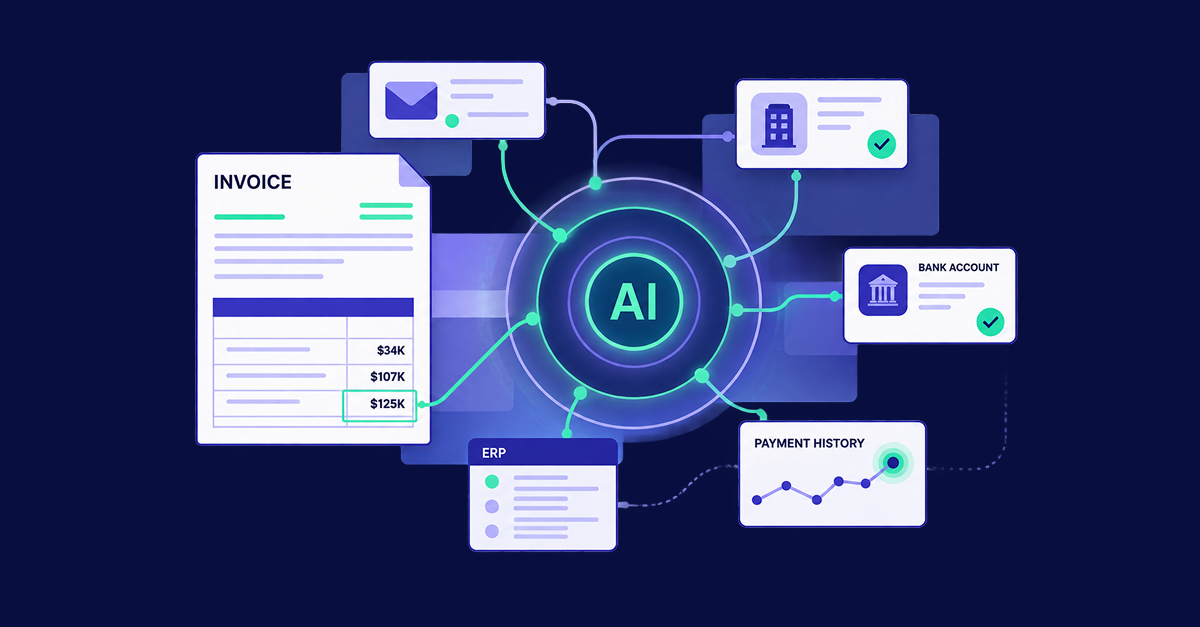
- 24/7 AI-powered Monitoring: Implement systems that integrate with existing infrastructure to detect anomalous API usage and suspicious activities in real time.
- Automated Fraud Detection: Utilize AI to continuously inspect invoices and files, identifying potential fraud without human intervention.
- Cross-System Data Correlation: Employ advanced analytics to validate data across finance systems, ERP, and communications, instantly flagging discrepancies.
- Real-Time Alerting: Deploy automated systems for immediate notification of suspicious payment information or unusual financial patterns.
- Enhanced User Education: Deliver adaptive, personalized training programs to keep employees vigilant against evolving phishing tactics.
This DocuSign API exploit is a reminder for continuous adaptation of payment security best practices. By leveraging AI-driven solutions, enterprises can better secure trust in digital interactions, even when engaging with trusted platforms. As cyber threats evolve, so must our defenses – blending AI technology with human vigilance to create a robust payment security ecosystem.
Want to learn how Trustmi can help defend against this type of threat? Book a demo today!



 Behavioral AI-powered security
  Protection on day one
  10-15x ROI