




Quick Summary
ERP systems manage vendor data, approvals, and payments, making them a central point of failure when compromised. Fraud typically enters through stolen credentials, insider actions, or external communication channels, then moves through the system appearing legitimate until funds are released.
Trustmi reduces this risk by monitoring user access, establishing behavioral baselines for vendors and transactions, and correlating signals across ERP, email, and payment systems.
ERP System Attacks: From Intrusion to Fraud and How to Avoid It
Enterprise Resource Planning (ERP) systems are the backbone of how organizations operate. They oversee everything from vendor relationships and procurement to payroll, financial reporting, and B2B payments. For most businesses, the ERP is where the money moves, which is exactly why it has become such a high-value target for fraud.
Many executives know that cyber threats exist, but a significant number still underestimate the extent to which their ERP infrastructure is exposed. Attackers don’t guess their way in; they simply study payment workflows, understand approval structures, and exploit specific gaps with precision. By the time an attack is detected, funds have usually already moved.
Thankfully, there are ways to fortify your defenses to reduce, and even eliminate, the risk of ERP attacks. In this post, we explore how ERP fraud works, how risks vary across platforms like SAP and Oracle, and how the right technology keeps your B2B payments secure.
What Is ERP Fraud?
ERP fraud is any deliberate manipulation of an ERP system to steal money, data, or both. ERP fraud covers everything from an external hacker breaking into your SAP environment to redirect vendor payment to a trusted employee quietly editing bank account details before an invoice goes out.
ERP systems are prime targets because of the access they provide. A single ERP environment typically controls accounts payable, procurement, payroll, vendor master data, and financial reporting, all in one place. For a fraudster, that is a one-stop shop. Attackers study how your business pays its vendors, understand your approval workflows, and exploit the right gap.
Types of ERP System Attacks
Threat actors employ various tactics to compromise ERPs, including but not limited to:
1. Phishing and Credential Theft
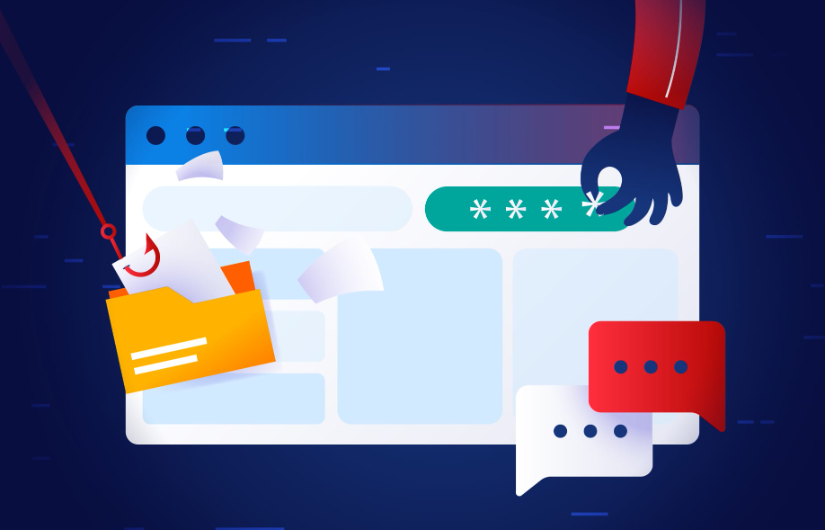
The most common entry point into an ERP environment is a compromised login. By sending deceptive emails, attackers impersonate IT support or a trusted vendor to trick employees into handing over their credentials. These actors can also install malware that results in unauthorized access to the ERP system.
Modern phishing attacks come in various forms like highly targeted spear-phishing campaigns that target specific individuals within organizations and indiscriminate mass-phishing endeavors that target a wider audience. Phishing attacks have also evolved to include social engineering techniques and psychological manipulation to evade traditional cybersecurity measures.
Regardless of the methodological complexity, the goal remains to exploit human vulnerabilities and breach the digital defenses guarding critical organizational assets.
2. Exploiting Software Vulnerabilities
ERP platforms are large, complex systems that receive regular security patches from vendors. Organizations that fall behind on updates leave known vulnerabilities open for exploitation. These vulnerabilities can stem from several factors, including unpatched software, misconfigured settings, weak passwords, and insecure integrations with third-party applications.
For instance, overpermissioned user accounts, poorly secured APIs, and weak web interfaces can significantly expand the attack surface. Attackers actively scan for organizations running outdated ERP versions or systems with easily exploitable gaps such as default credentials or improperly configured access controls.
In many cases, these gaps are a result of negligence and the reality of managing a complex, interconnected system.
3. Insider Threats
Disgruntled employees, contractors with system access, or staff under financial pressure can use their legitimate access to commit fraud from the inside. What makes insider threats particularly dangerous is their adeptness at bypassing conventional security measures.
Since insiders have authorized access to the ERP system, they can easily navigate through its defenses, executing cunning attacks with a reduced risk of detection. An insider manipulating vendor bank account details, approving unauthorized payments, or bypassing segregation of duties can operate undetected for months, especially because their activity looks like normal work.
ERP Attack Statistics and Real-World Examples
The sale of ERP fraud is significant and growing. A few data points illustrate why this deserves attention at the executive level:
- The Association of Certified Fraud Examiners (ACFE) reports that organizations lose an estimated 5% of their annual revenue to fraud each year. Financial statement fraud and asset misappropriation, both heavily ERP-dependent, accounting for the largest losses.
- Cybercrime has grown into a multi-trillion-dollar global issue, with annual costs estimated at approximately $10.5 trillion.
- The FBI’s Internet Crime Complaint Center (IC3) consistently identifies Business Email Compromise (BEC) as financially damaging, with nearly $2.8 billion in reported losses in a single year.
Once Breached, What Happens Next?
Once an attacker gains access to an ERP system, the damage depends on how much access they have and how they go undetected. The most common outcomes include the following:
- Unauthorized Transactions: Bad actors manipulate financial records within the ERP system to initiate unauthorized transactions or divert funds to fraudulent accounts.
- Falsifying Orders: Cyberattackers can tamper with order management modules and create fictitious orders or alter existing ones, so that the system processes illegitimate transactions.
- Data Theft: Threat actors extract sensitive customer information, payment details, or intellectual property from the ERP system, compromising data integrity and confidentiality.
ERP Fraud Risks by Platform
Different ERP systems carry different risk profiles depending on their architecture, deployment environments, and the kinds of organizations that use them.
SAP
SAP is the most widely deployed ERP platform among large enterprises, making it the most targeted. Known attack vectors include SAP Message Server exploits that allow attackers to take over application servers, and weaknesses in SAP’s RFC (Remote Function Call) interfaces that expose sensitive functions to unauthorized users. Organizations running older SAP versions without the latest security notes face the greatest exposure.
Oracle ERP and Oracle Financials
Oracle’s environments frequently have segregation of duties (SoD) conflicts. This means a single user has access that allows them to both initiate and approve transactions. This type of access is one of the most exploited weaknesses in Oracle ERP fraud cases. Oracle’s complexity also means configurations drift over time, leaving unintentional gaps in access controls.
Microsoft Dynamics 365
Dynamics 365 is cloud-hosted and deeply integrated with Microsoft 365. If a user’s Microsoft credentials are compromised, attackers can move quickly into the ERP. Business Email Compromise attacks are especially effective here because an attacker who controls an email account can often use it to authorize or redirect ERP actions.
Mid-Market Platforms
Mid-market ERP platforms like NetSuite, Sage, and Epicor attract attackers because their users tend to have fewer dedicated security resources. Smaller IT teams, less rigorous access controls, and limited monitoring make them softer targets.
How Trustmi Protects Your ERP From Fraud
Employee training, patch management, and access reviews are important starting points. However, the reality of modern ERP fraud is that it moves faster than human review processes can catch it. Also, it is specifically designed to look legitimate right up until the moment money leaves your account.
The most reliable way to ensure full security of your ERP and avoid cyberattacks is by having an AI-powered platform in place. An AI-powered platform will analyze, monitor, track user access and activity, and flag behaviors that suggest something is off.
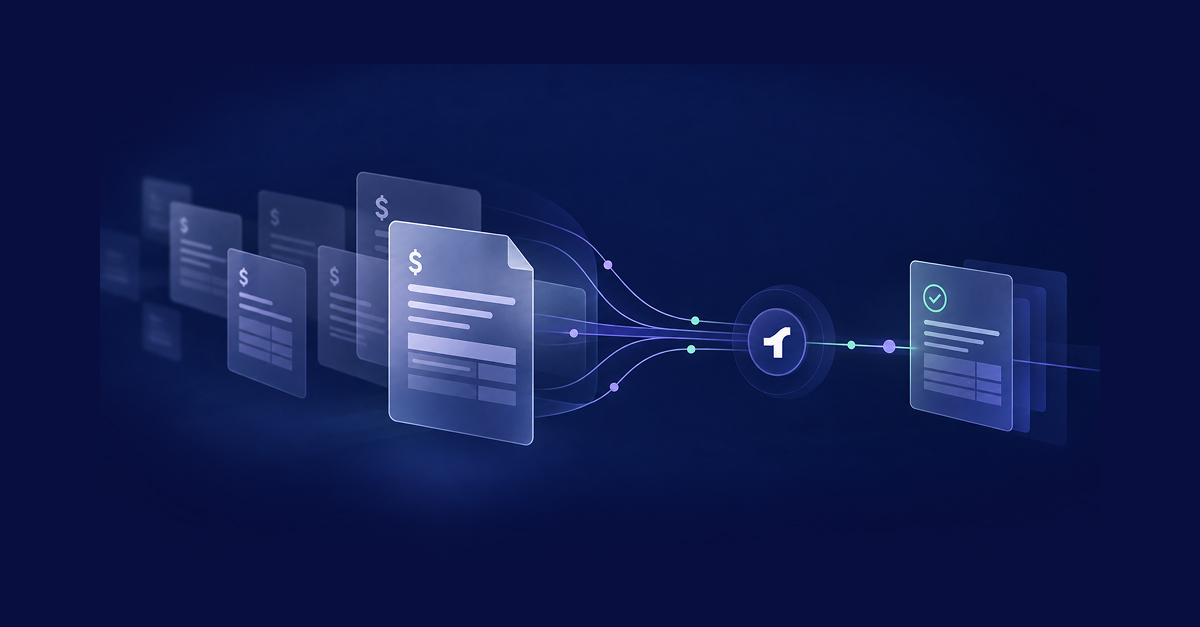
Trustmi does exactly this. It layers directly on top of your existing ERP environment (whether that is SAP, Oracle, Dynamics, or NetSuite) without disrupting your workflows.
Here’s exactly what Trustmi’s protection looks like across your ERP environment:
- Access Monitoring and Enforcement: Trustmi monitors who has access to your ERP and what they do with it. If a user whose role doesn’t permit changes to a vendor bank details attempts that action, Trustmi enforces controls that prevent the change from going through.
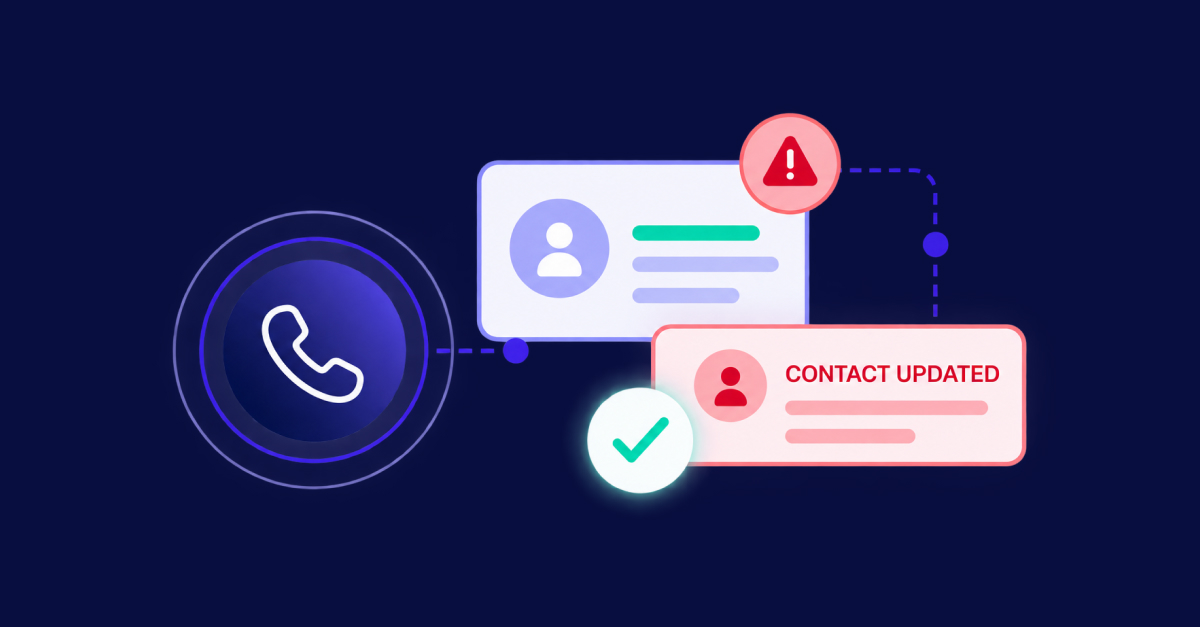
- Insider Threat Detection: Trustmi tracks changes made by employees or other insiders, changes, cross-references them against vendor-initiated requests, and recognizes the incongruity.
- Vendor Behavioral Baselines: The platform establishes a baseline for each vendor in your system. This baseline covers how they invoice, payments flow, and approvals standards. When someone deviates from that pattern, whether by overriding workflow rules or bypassing segregation duties, Trustmi flags it.
- Cross-System Signal Detection: ERP fraud often begins with a compromised email or manipulated vendor communication. By analyzing signals across all those touchpoints, Trustmi can detect an attack in motion even before changes reach the ERP itself.
Safeguarding ERP systems from cyber attacks requires a multifaceted approach that addresses the evolving tactics of cybercriminals. While awareness and proactive security measures are essential, using advanced technologies can significantly enhance defense mechanisms. Our holistic solution uniquely combines data from ERP systems, emails, and other sources.
As the World Economic Forum has identified, cyber-enabled fraud is now the number one risk priority for CEOs. Trustmi’s goal remains to make sure payments that go through are the right ones. Ready to explore a complete approach to ERP fraud protection, request a demo today.

 Behavioral AI-powered security
  Protection on day one
  10-15x ROI